

Preparing Your Northern NH Home for Sale
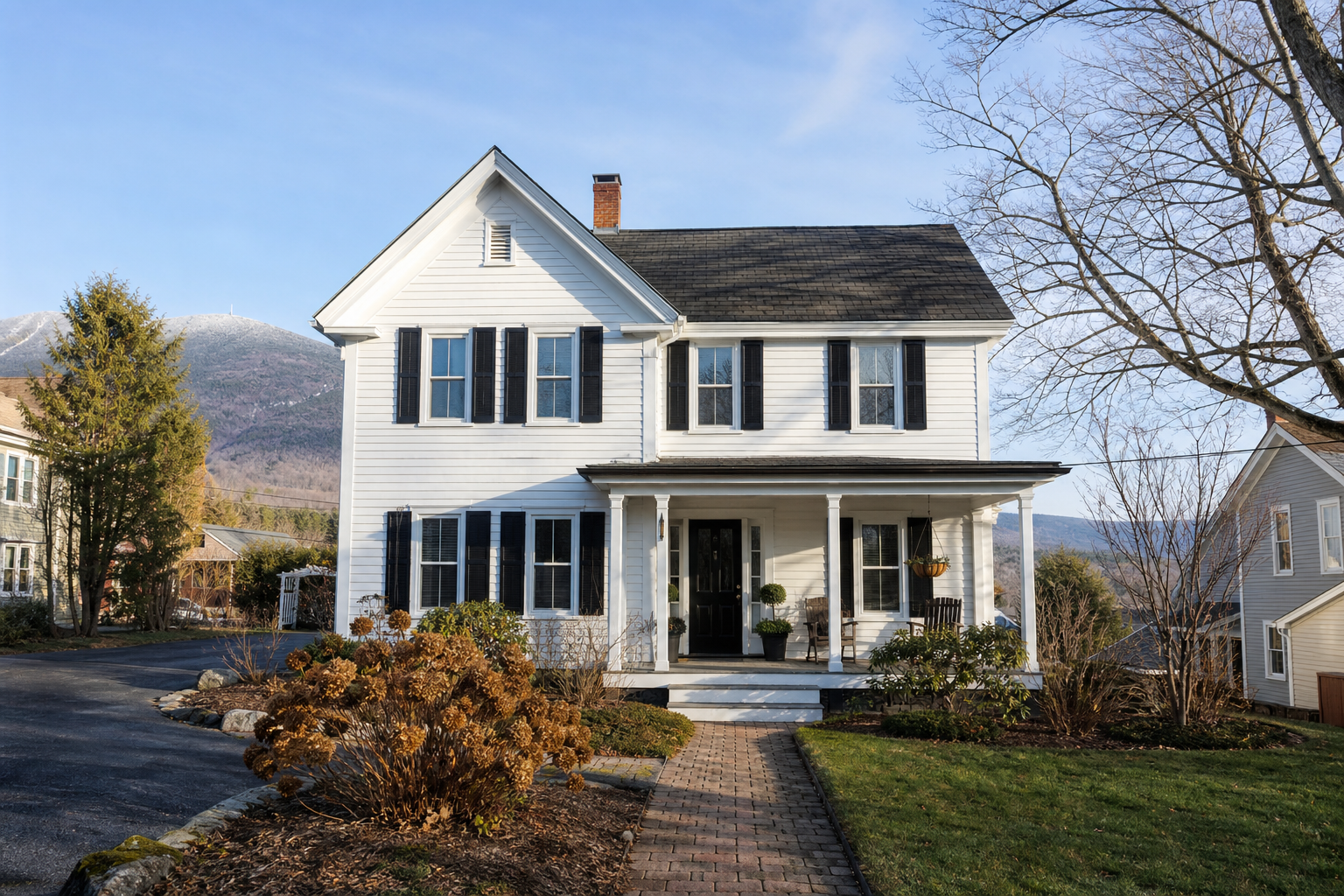
Getting a Northern NH home ready to sell means fixing the issues that matter to buyers, organizing your well and septic records, and presenting the property honestly and cleanly. Focus on repairs that remove buyer objections, not full renovations. With inventory rising statewide, first impressions carry more weight than they did a few years ago.
What do I need to do to prepare my Northern NH home for sale?
Getting a Northern NH home ready to sell is less about renovating and more about removing the things that make buyers hesitate. That means fixing the obvious issues, gathering your well and septic records, and presenting the property cleanly and honestly. With statewide inventory rising and homes in Coos County averaging around 104 days on market, buyers have more options than they did a few years ago, which means your first impression matters more, not less.
Start with the market reality, then work backward
Before you pick up a paintbrush or call a contractor, it helps to understand what you’re working with. According to New Hampshire REALTORS, the statewide median single-family sales price hit $580,000 in July 2026, up 5.5% from a year earlier, and inventory statewide reached 2,992 homes, the highest level since before the pandemic and 16% higher than July 2025. That’s a meaningful shift. Buyers have more to choose from, and a home that looks neglected or raises red flags will sit while cleaner listings move.
The county-level picture matters here too. Carroll County homes have been selling in around 42 days, while Coos County homes are averaging closer to 104 days. If you’re in Coos County, Berlin, Gorham, Lancaster, Groveton, Colebrook, you’re working in a slower, more deliberate market. That doesn’t mean preparation matters less. It means buyers have time to notice everything, so you want fewer things to notice.
NH Public Radio reported in April 2026 that homes statewide were averaging 44 days on market so far in 2026, compared with 32 days in 2024. Longer market times reward sellers who come in clean and priced correctly from the start. The sellers who overprice and under-prepare are the ones sitting through price reductions.
What this means for your prep strategy
The goal isn’t to make your home look like something it isn’t. It’s to make sure nothing about it gives a buyer a reason to walk away or negotiate hard on price. Fix what’s broken. Clean what’s dirty. Disclose what’s required. That’s the framework.
The repairs that actually matter
Here’s what I tell sellers when we sit down before listing: not every repair is worth making, but some repairs are non-negotiable. The ones that matter are the ones that show up on inspection reports, scare buyers, or create legal exposure.
Structural and mechanical basics
Buyers in Northern NH are practical. They’re buying in a cold climate with real winters, and they know what deferred maintenance looks like. The items that reliably kill deals or drag down offers are the ones that suggest a bigger problem underneath:
- Roof condition, missing shingles, visible sagging, or an obviously aged roof will come up in every inspection. You don’t always need to replace it, but you need to know its condition and be prepared to address it in negotiations.
- Foundation and water intrusion, any sign of water in the basement or crawlspace will get flagged. Address active leaks and document what you’ve done.
- Heating system, have the furnace or boiler serviced and keep the receipt. A recent service tag is a small thing that signals the home has been maintained.
- Electrical and plumbing basics, functioning outlets, no visible leaks, no tripping breakers. These aren’t glamorous, but buyers and inspectors notice them.
- Windows and doors, they don’t need to be new, but they should open, close, lock, and seal. Failed seals on double-pane windows (the foggy ones) are common in older Northern NH homes and worth addressing before listing.
What about bigger projects like windows, siding, or roofing?
This is where I push back on a lot of sellers. Full window replacements, new siding, and full roof replacements are expensive, and you rarely recover the full cost in the sale price. The right call depends on the condition of what you have. If the roof has five years left and is functioning, disclose that honestly and price accordingly. If it’s actively leaking or clearly at end of life, that’s a different conversation.
The question I ask is: will this repair remove a buyer objection, or am I just spending money? If a buyer is going to walk away or demand a large concession because of the item, fix it. If it’s cosmetic or marginal, price it in instead.
Cosmetic work that pays off
Fresh interior paint in neutral tones is almost always worth it in older homes. Deep cleaning, including windows, floors, and every surface a buyer will touch or open, costs almost nothing and makes a real difference. Decluttering and removing excess furniture makes rooms look larger in photos and in person. Outside, a clean yard, trimmed brush, and a clear driveway go a long way in rural properties where the setting is part of what you’re selling.
The paperwork side: disclosures, wells, and septic
This is the part of seller prep that Northern NH homeowners often underestimate, and it’s where I spend a lot of time with clients before we go to market.
Under New Hampshire RSA 477:4-d, sellers of one-to-four-family dwellings are required to provide written disclosure about the private water supply, private sewage disposal system, insulation, and whether the property is in a federally designated flood hazard zone. The buyer must acknowledge receipt in writing. If information isn’t available, say, you don’t have records of when the septic was last serviced, that absence of information must also be disclosed in writing.
For a Northern NH home, that statute covers a lot of ground. Most properties in Berlin, Lancaster, Colebrook, Pittsburg, and the surrounding communities have private wells and septic systems. That means before you list, you should be gathering:
- Type and location of the water system
- Date of the most recent water test and results
- Any known malfunctions with the water system
- Date of septic installation
- Septic location and most recent service date
- Name of the servicing contractor
- Any known septic malfunctions
- Insulation type and location
Getting this information organized before listing isn’t just a legal requirement, it’s a practical advantage. Buyers and their agents will ask for it. Having it ready signals that you’re a prepared seller with nothing to hide, and it shortens the due-diligence process.
Homes built before 1978
If your home was built before 1978, federal law requires a Lead-Based Paint Disclosure. Sellers must disclose any known lead-based paint or hazards, and buyers must be given an EPA-approved information pamphlet. This applies across the board, Northern NH has a lot of older housing stock, so it comes up frequently. Your agent will walk you through the paperwork, but it’s worth knowing about before you list.
A note on recordings during showings
Under NH RSA 91-A and standard privacy norms, if you have active security cameras or recording devices in your home, you should disclose that to buyers during showings. Conversely, if you’re a buyer touring a property, be aware the home may be monitored. It’s a simple thing to handle upfront and avoids awkward situations later.
Market data snapshot
| Area / Period | Median Sale Price | Days on Market |
|---|---|---|
| NH Statewide, Q1 2026 | $530,000 | N/A |
| NH Statewide, July 2026 | $580,000 | N/A |
| Coos County, 2026 | N/A | 104 days |
| Carroll County, 2026 | N/A | 42 days |
Sources: NH REALTORS Q1 2026; NH REALTORS July 2026; Redfin Coos County; Redfin Carroll County.
Frequently Asked Questions
What repairs should I make before selling a house in Northern New Hampshire?
Focus on repairs that remove buyer objections rather than full renovations. Prioritize the roof, heating system, foundation, plumbing, and electrical basics, the items that show up on inspection reports and give buyers a reason to negotiate hard or walk away. Cosmetic work like fresh paint, deep cleaning, and decluttering is almost always worth it. Major projects like full window replacements or new siding rarely return their full cost at closing, so evaluate them case by case based on actual condition.
Do I need to fix a septic or well issue before listing my NH home?
Known malfunctions with a well or septic system must be disclosed under New Hampshire RSA 477:4-d. Whether to repair before listing or price the issue in depends on the severity and cost. A failing septic system is a serious buyer concern and often needs to be addressed. A well that tests fine but has older infrastructure may just need clear documentation. The best approach is to get the facts early and make a decision based on actual numbers, not assumptions.
What does the New Hampshire seller disclosure form require?
Under RSA 477:4-d, sellers of one-to-four-family homes must provide written disclosure about the private water supply (type, location, malfunctions, most recent water test), private sewage disposal system (location, service history, malfunctions), insulation (type and location), and whether the property is in a federally designated flood hazard zone. The buyer must acknowledge receipt in writing. If records aren’t available, that lack of information must also be disclosed.
Should I replace windows, siding, or roofing before selling in Coos or Carroll County?
Not automatically. The question is whether the item is causing a functional problem or will clearly kill a deal, not whether it’s old. An aging but functional roof with documented condition is very different from one that’s actively leaking. In Coos County, where homes average around 104 days on market, buyers have time to negotiate, so addressing genuine defects makes sense. Full replacements of cosmetically dated but functional systems rarely pay off dollar for dollar at closing. Get a realistic assessment of condition before spending.
What home inspection issues scare buyers away in Northern New Hampshire?
The issues that reliably cause buyers to pause or renegotiate in Northern NH are: signs of water intrusion or foundation problems, roof condition concerns, septic or well red flags, outdated or unsafe electrical panels, and evidence of pest damage (particularly carpenter ants and wood-boring beetles, which are common in older rural homes). These aren’t deal-killers if disclosed and priced appropriately, but they become problems when they surprise a buyer mid-inspection. Knowing what’s there before listing gives you control over how it’s handled.
The bottom line
Preparing a Northern NH home for sale isn’t about making it look like something it isn’t. It’s about fixing what’s broken, disclosing what’s required, and presenting the property in a way that gives buyers confidence rather than questions. With inventory rising statewide and Coos County homes spending over 100 days on market on average, the sellers who do this work upfront have a real edge over those who don’t.
Every property is different, and the right prep plan depends on your home’s condition, your timeline, and what the market is actually doing in your area. That’s exactly the kind of conversation I have with sellers before we ever talk about a list price. If you’re thinking about selling in Berlin, Lancaster, Groveton, Colebrook, or anywhere across the Northwoods region, reach out and let’s walk through it together.
Equal Housing Opportunity. Nick DeMers is licensed in New Hampshire, regulated by the New Hampshire Real Estate Commission. This article is general information only and does not constitute legal, tax, or financial advice. Confirm your specific costs, disclosures, and obligations with your attorney, tax advisor, lender, or closing officer.

About Northwoods Property Team
Northwoods Property Team at eXp Realty provides local buyer and seller representation, property-specific pricing guidance, practical transaction advice, and technology-powered real estate marketing throughout Northern New Hampshire.