

What to Know Before Relocating to Northern New Hampshire
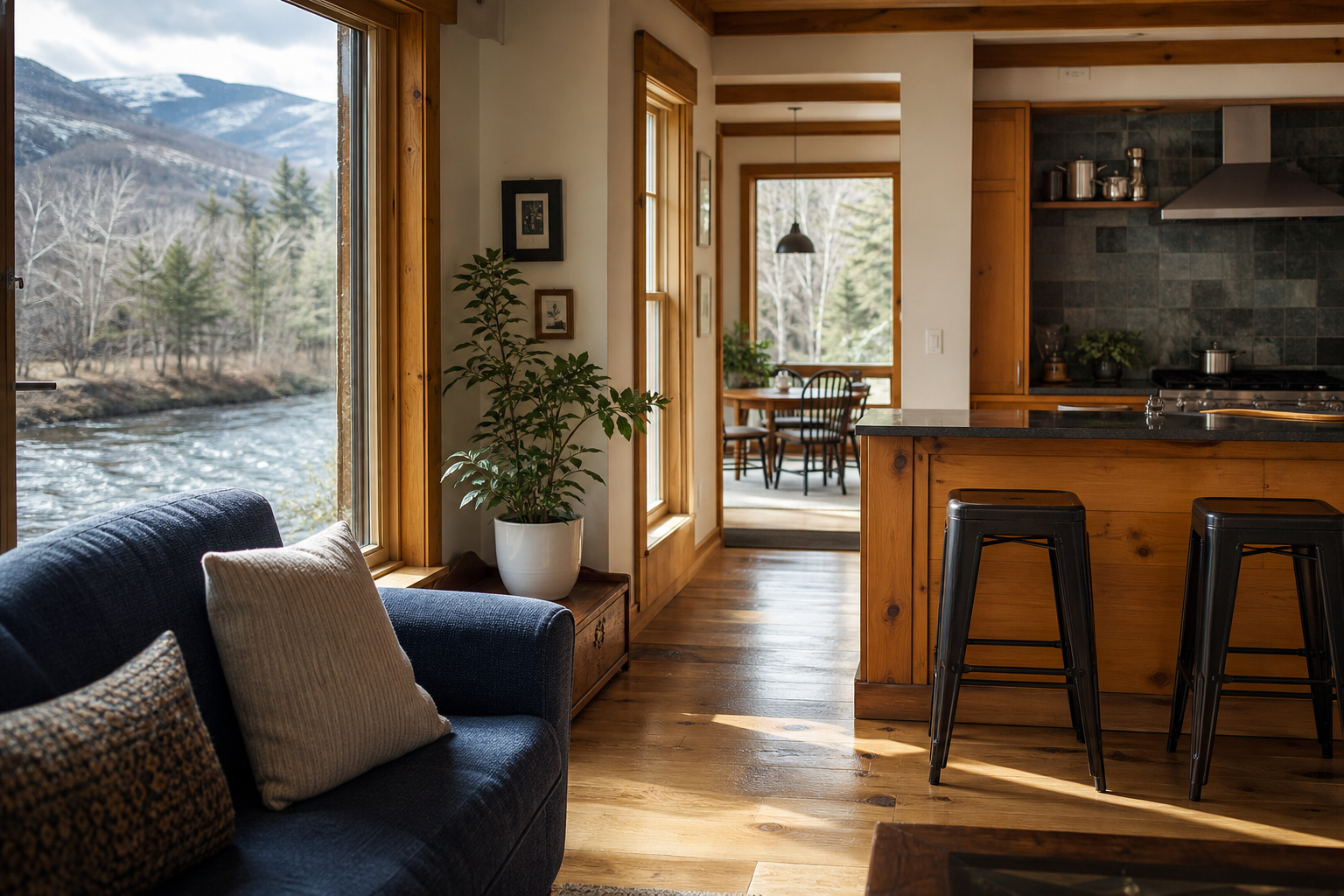
Northern New Hampshire offers affordable housing, access to the White Mountains and Great North Woods, and tight-knit small-town communities, but relocation here means preparing for long winters, longer drives for major services, and a slower-paced rural lifestyle that rewards self-reliance and an appreciation for the outdoors.
What should I know before relocating to Northern New Hampshire?
Northern New Hampshire offers some of the most affordable housing in the state, access to world-class outdoor recreation, and communities where neighbors still know each other by name. The trade-off is real: winters are long and demanding, major services require a drive, and the economy is more limited than in southern NH. If that trade-off sounds worthwhile to you, Berlin, Bethlehem, and Colebrook are worth a serious look.
Key Takeaways
- Berlin’s median closed sale price was approximately $164,000 for the period ending July 2026, according to Redfin’s Berlin housing market data, one of the lowest price points in New Hampshire.
- Coös County’s median sale price reached around $262,000 over the three months ending July 2026, up 34.2% year-over-year, suggesting real appreciation pressure in some parts of the region.
- Homes in Berlin averaged around 84 days on market through mid-2026, so buyers have time to be thoughtful, but well-priced properties still move.
- New Hampshire’s Real Estate Transfer Tax under NH RSA 78-B applies to both buyer and seller at $0.75 per $100 of the purchase price, confirm your specific obligation with your closing agent.
- Berlin, Bethlehem, and Colebrook each have a distinct character: Berlin is a small-city hub, Bethlehem leans arts-and-outdoors, and Colebrook is the most remote and rural of the three.
What is Northern New Hampshire actually like to live in?
I’ve been working in this region for nearly nine years, and the question I hear most from people considering a move up here is some version of: “Is it really like that?” Meaning, is it really that quiet, that affordable, that beautiful, and yes, that remote?
The honest answer is yes to all four.
The North Country runs from the White Mountains up through the Great North Woods, covering communities like Berlin, Bethlehem, Colebrook, Gorham, Lancaster, Littleton, and dozens of smaller towns in between. It’s a region defined by rivers, forests, mountains, and a way of life that’s genuinely different from anything south of the Notches.
Berlin: small-city services in a mountain setting
Berlin sits in the Androscoggin River valley and is the largest community in Coös County, with a 2020 Census population of 9,425. It’s a former mill town that has repositioned itself around outdoor recreation, ATV trails, snowmobile corridors, hiking access to the Mahoosuc Range, and a growing tourism economy.
For a relocating buyer, Berlin’s biggest practical advantage is that it functions as a regional hub. You’ll find grocery stores, hardware, clinics, and schools within the city itself. When you need more, Gorham is roughly 30-40 minutes away and North Conway is about an hour south, larger retail, resort amenities, and more specialized medical services.
The housing market in Berlin is genuinely affordable by New Hampshire standards. Closed-sale data through July 2026 from Redfin shows a median sale price around $164,000, down about 6% year-over-year, with homes averaging roughly 84 days on market. Listing data from Realtor.com in early 2026 showed asking prices around $197,000 with about 97 active listings, so there’s inventory, and list prices and sale prices don’t always match. That gap is worth understanding before you make an offer.
Bethlehem: arts, mountains, and seasonal energy
Bethlehem is a different kind of town. It sits along Route 302 in Grafton County, on the edge of the White Mountains, and it draws a crowd that’s as interested in galleries and live music as it is in hiking and skiing. The arts scene here is real, not a marketing tagline, and the town has a distinct energy, especially from June through October when seasonal tourism peaks.
Residents typically drive 15-20 minutes to Littleton for additional shopping and services, and Franconia Notch State Park is practically in the backyard. Fall foliage along the Route 302 corridor is legitimately stunning, which also means increased traffic in late September and October.
The most recent housing data for Bethlehem, from Redfin’s November 2025 report, shows a median sale price around $249,000, down roughly 11% year-over-year at that point. That softening likely reflects interest-rate conditions more than any loss of appeal, Bethlehem continues to attract second-home buyers and remote workers who value the combination of mountain access and a genuine arts community.
Colebrook: the real North Country
Colebrook is further north, closer to the Canadian border, and it’s the most rural of the three. If Berlin is a small city and Bethlehem is an arts village, Colebrook is the North Country in its purest form, quiet, self-reliant, and surrounded by working forest and open land.
The trade-off for that remoteness is real. Trips to larger hospitals or big-box retail from Colebrook can easily run an hour or more. That’s not a dealbreaker for the right person, but it’s something to plan around, especially in winter.
County-level data for Coös County from Redfin’s July 2026 report shows a median sale price around $262,000, up 34.2% year-over-year, with homes selling in about 57 days and 65 homes sold in July. Some of that appreciation is concentrated in well-located or renovated properties, which tells you there’s genuine buyer interest in this part of the state, even if it’s not yet a competitive market in the way southern NH is.
| Town / Area | Most Recent Median Sale Price | Avg. Days on Market | Data Period |
|---|---|---|---|
| Berlin | ~$164,000 | ~84 days | 3 months ending July 2026 |
| Bethlehem | ~$249,000 | Not reported | November 2025 |
| Coös County (incl. Colebrook) | ~$262,000 | ~57 days | 3 months ending July 2026 |
Sources: Redfin Berlin, Redfin Bethlehem, Redfin Coös County. Aggregator data, not official MLS figures. Use as directional market color.
What does the buying process look like in Northern New Hampshire?
A few things about buying in this region that I walk every relocating client through before we start looking.
Closings: title company or attorney, both are normal
New Hampshire is a buyer’s-choice state when it comes to closing. You can close with a title company or a real estate attorney, both are completely standard here, and your lender may have a preference. When my buyers ask for a recommendation, I point them toward Summit Title Services LLC for title work, or The Law Office of John Riff when they prefer a closing attorney. Neither is required, it’s a matter of what works for your situation.
Older homes and lead-based paint
A significant portion of the housing stock in Berlin, Bethlehem, and Colebrook was built before 1978. Federal law requires sellers of pre-1978 homes to provide a Lead-Based Paint Disclosure, and buyers have the right to conduct a lead inspection before finalizing the purchase. This is something I flag early in the process so it doesn’t become a surprise.
Wire fraud advisory
Before any closing, I remind every buyer: never wire funds based solely on emailed instructions. Wire fraud targeting real estate transactions is a real and growing problem. Always verify wiring instructions by calling a known, trusted contact at your title company or attorney’s office directly, not using a phone number from an email, before sending any money.
What should I realistically prepare for as a new resident?
Winter is long and it’s serious
Northern New Hampshire winters typically run from November through March, and in the higher elevations they start earlier and end later. Snowfall in the White Mountains and Great North Woods is substantial. New residents coming from warmer climates or more urban areas are sometimes surprised by what “winter-ready” actually means up here: snow tires (not all-seasons), a reliable heat source with a backup plan, a plow or snow blower arrangement for your driveway, and the patience to accept that some days, travel is just slower.
The upside is that the same conditions that make winter demanding also make it genuinely beautiful. Snowmobiling, skiing, snowshoeing, and ice fishing are not just tourism activities, they’re how a lot of people here actually spend their winters. Regional tourism content consistently highlights the strength of the snowmobile corridor network and winter lodging demand across the North Country.
Mud season is real
April and May bring what locals call mud season, the period when frozen ground thaws and unpaved roads can become genuinely difficult. If your property has a dirt road or driveway, this matters. An all-wheel-drive or four-wheel-drive vehicle isn’t optional in many parts of this region; it’s practical infrastructure.
Services require planning, not panic
This is the adjustment most relocating buyers underestimate. You’re not going to have a hospital ten minutes away. You’re not going to find a Costco in Colebrook. What you will find is a community of people who plan ahead, support local businesses, and look out for each other in ways that are harder to find in more populated areas.
Berlin’s position as a regional hub makes it the most service-accessible of the three towns discussed here. Bethlehem residents lean on Littleton. Colebrook residents plan their trips and keep their pantries stocked. None of this is a hardship if you go in with realistic expectations, and many people who move here say it’s one of the things they come to appreciate most.
Remote work has changed the picture
The traditional employment base in Northern NH has historically been tied to manufacturing, forestry, healthcare, and government. That’s still true. But the growth of remote work since 2020 has meaningfully expanded who can realistically live here. If your income doesn’t depend on being near a specific employer, Northern New Hampshire becomes a much more viable option, and the combination of low housing costs and high quality of outdoor life is genuinely compelling for people in that position.
If you do need local employment, the options are more limited. Healthcare, education, trades, and hospitality are the primary sectors. It’s worth being honest with yourself about what your employment situation requires before committing to a specific town.
Frequently Asked Questions
Is Northern New Hampshire affordable compared to the rest of the state?
Yes, significantly. Berlin’s median closed sale price was around $164,000 for the period ending July 2026, according to Redfin, a fraction of what comparable homes cost in the Lakes Region or along the seacoast. Bethlehem and Colebrook-area properties run higher but still offer strong value relative to the rest of New Hampshire. The trade-off is a more rural lifestyle and longer drives for major services.
What daily services are available in Berlin, Bethlehem, and Colebrook?
Berlin has the most complete set of everyday services, grocery, hardware, medical clinics, and schools, and functions as a hub for surrounding communities. Bethlehem residents typically drive to Littleton (15-20 minutes) for additional shopping. Colebrook is the most remote, and residents there plan trips for major shopping and specialist medical care, which can involve drives of an hour or more toward Lancaster or further south.
How long do homes stay on the market in Northern New Hampshire?
It varies by town and price point, but the data suggests more time than buyers expect in competitive markets further south. Berlin averaged around 84 days on market through mid-2026, while Coös County broadly averaged about 57 days over the same period, according to Redfin’s July 2026 county data. Well-priced properties in good condition still move, but you’re unlikely to face the same bidding-war pressure common in southern NH.
What are the main differences between Berlin, Bethlehem, and Colebrook?
Berlin is the most service-accessible of the three, a small city with a working-town feel, outdoor recreation access, and a community that’s been reinventing itself around tourism and trails. Bethlehem has a distinct arts-and-culture identity, strong seasonal energy, and proximity to the central White Mountains. Colebrook is the most rural and remote, closer to the Canadian border, and appeals most to people who genuinely want to be away from it all. Each town attracts a different kind of buyer, and the right fit depends on your priorities.
What should I know about the New Hampshire Real Estate Transfer Tax as a buyer?
Under NH RSA 78-B, both the buyer and seller owe a transfer tax of $0.75 per $100 of the purchase price, as confirmed by the New Hampshire Department of Revenue Administration. It appears as a line item on your closing statement. Who effectively bears the cost is negotiable in the purchase and sale agreement, so review your contract carefully and confirm the details with your closing agent.
If you’re seriously considering a move to Northern New Hampshire, the best next step is a conversation about what you’re looking for and what the current market actually looks like in the towns on your list. I work across Berlin, Bethlehem, Colebrook, and the broader North Country, and I’m happy to walk you through what’s available and what to expect from the process. Reach out through my website and we’ll start there.
Equal Housing Opportunity. Nick DeMers is licensed through the New Hampshire Real Estate Commission. This article is general information only and does not constitute legal, tax, or financial advice. Confirm your specific costs, tax obligations, and transaction details with your closing agent, tax advisor, or lender.

About Northwoods Property Team
Northwoods Property Team at eXp Realty provides local buyer and seller representation, property-specific pricing guidance, practical transaction advice, and technology-powered real estate marketing throughout Northern New Hampshire.