

What Sellers in Coos County Should Expect from a Home Inspection
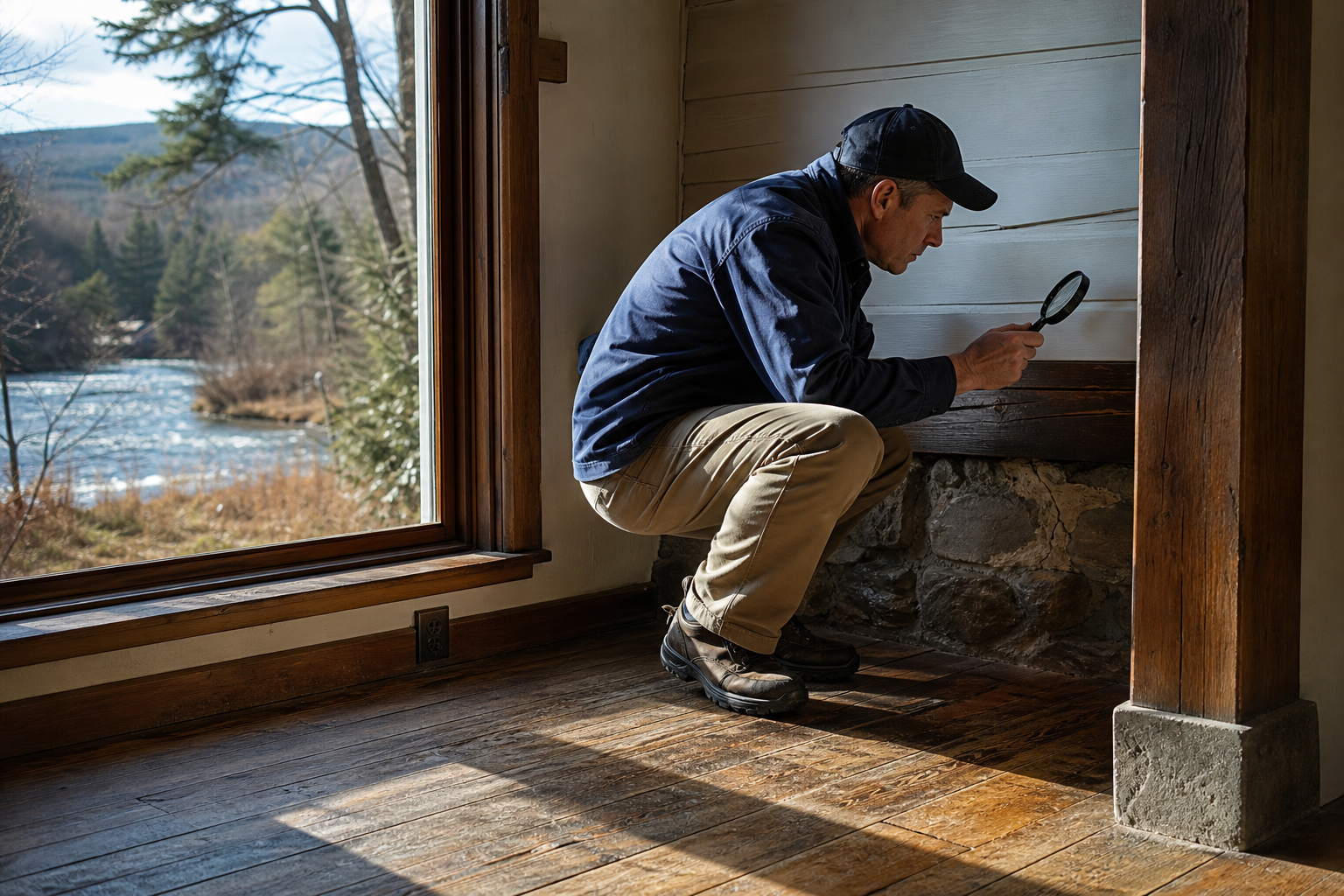
Sellers in Coos County should expect a buyer-hired inspector to examine the home’s major systems, structure, and visible conditions. The report goes to the buyer, not the seller. Preparation, access, and organized records reduce surprises and keep negotiations on track.
What should a seller in Coos County expect during a home inspection?
Home inspections in Coos County follow New Hampshire state standards and cover the home’s major systems, structure, and visible conditions. The inspector is hired by the buyer, the report goes to the buyer, and the seller’s job is to prepare the property for access and understand how the results feed into the negotiation. Knowing what to expect before the appointment removes most of the anxiety that comes after it.
Key Takeaways
- New Hampshire inspectors follow a state-defined standards of practice called Home 600, and every inspection contract must reference those standards.
- The inspection report belongs to the buyer, sellers should not assume they will automatically receive a copy.
- In Coos County, rural systems including private wells, septic, heating equipment, and private road access often receive additional buyer scrutiny beyond the standard inspection scope.
- Homes sold in Coos County averaged around 70 days on market as of August 2026, meaning inspection negotiations happen in a market where time on market matters.
- Sellers are not automatically required to make repairs, the purchase agreement controls what the buyer can request, what deadlines apply, and what options both parties have.
What does a home inspector actually check during home inspections in Coos County?
The short answer: more than most sellers expect. New Hampshire inspectors operate under state-defined standards of practice, and the inspection contract must identify those standards, specifically the rules known as Home 600 under New Hampshire Administrative Code Home 603.01. What that means in practice is a systematic review of the home’s visible and accessible systems and components.
Sellers should expect the inspector to look at the roof, foundation, drainage, electrical system, plumbing, heating equipment, ventilation, insulation, windows, doors, and visible structural components. They’ll check for moisture intrusion, safety concerns, and deferred maintenance. The exact scope is spelled out in the inspector’s contract, read it if you can, and don’t assume anything is automatically included or excluded.
Rural systems get extra attention in Coos County
This is where Northern New Hampshire properties differ from a typical suburban transaction. Many homes in communities like Lancaster, Colebrook, Gorham, Whitefield, and throughout the rural stretches of the county sit outside municipal utility networks. That means buyers often want answers about private wells, septic systems, heating fuel sources, private road access, and drainage, and those items may require separate specialist inspections beyond the general home inspection.
Whether the septic gets a flow test, whether the well gets a water-quality test, whether the chimney gets a camera inspection, those are usually separate services. The buyer’s requested scope should be confirmed in writing before the appointment, not assumed. I walk my sellers through this distinction early so there are no surprises about what the inspector’s visit covers versus what comes back as a separate request later.
Older housing stock raises the stakes
Coos County has a lot of older homes. Properties in Berlin, Gorham, Lancaster, Littleton, and nearby rural areas frequently include older electrical components, wood-heating equipment, additions built over multiple decades, outbuildings, and exterior maintenance that’s been deferred. None of that automatically disqualifies a sale, but it does mean the inspection report is likely to be longer and more detailed than it would be on a newer home.
According to Redfin’s Coos County housing market data, homes in the county averaged around 70 days on market as of August 2026. In a market where listings take time to move, an inspection that surfaces significant deferred maintenance can stall a deal or shift the negotiation considerably. Preparation matters more here than in a faster market.
How should sellers prepare for the inspection?
Preparation is the one part of this process sellers actually control. The goal is simple: make sure the inspector can get to everything they need to see, and reduce the number of unknowns before the report lands in the buyer’s hands.
Access is the first priority
Before the appointment, clear and unlock access to the electrical panel, heating equipment, attic, crawl space, basement, water shutoffs, garage, and any outbuildings. A locked room or a pile of stored belongings in front of the electrical panel doesn’t just create a note in the report, it can trigger a follow-up inspection, which extends the timeline and gives buyers more reasons to ask questions.
Also worth noting: under New Hampshire RSA 310-A:185, inspectors are required to keep inspection results and client information confidential. If you have active security cameras or recording devices in the home, you should disclose that to buyers before showings and inspections. Under NH RSA 91-A and standard privacy practice, sellers should let buyers know if recording equipment is operating during the inspection.
Gather your service records
Documentation doesn’t replace inspection, but it reduces uncertainty. Pull together whatever you have for the roof, furnace or boiler, chimney, septic system, well, water treatment equipment, radon mitigation system, and any major renovations or permitted work. Dates matter. If the inspector notes that the furnace is older, having a recent service record showing it’s been maintained changes the conversation.
For homes built before 1978, the Federal Lead-Based Paint Disclosure is a required part of the transaction, not the inspection itself, but something sellers need to have handled before closing. That’s a separate document from the inspection report, and it’s worth making sure it’s in order before the buyer’s inspector shows up.
Winter inspections come with limitations
If your home is going under contract in fall or winter, which is common in this market, expect that snow, ice, and frozen ground will limit what the inspector can observe. Roof surfaces, exterior drainage, foundation walls, and septic components may be inaccessible. Ask your agent and the inspector how those areas will be documented and whether a reinspection of specific items may be requested once conditions improve. Getting ahead of that conversation is better than having it after the report comes in.
| Inspection Area | What Sellers Should Prepare | Notes for Coos County Properties |
|---|---|---|
| Electrical Panel | Clear access, label circuits if possible | Older panels common in pre-1980 homes |
| Heating System | Gather recent service records | Wood stoves, boilers, oil/propane systems all scrutinized |
| Roof | Know the age and last repair date | May be inaccessible in snow/ice conditions |
| Basement / Crawl Space | Clear clutter, ensure safe entry | Moisture and drainage issues are common findings |
| Well and Septic | Locate records, mark septic access if known | Often require separate specialist inspections |
| Attic | Confirm access hatch is clear | Insulation and ventilation frequently flagged |
| Outbuildings / Garage | Unlock and clear for entry | May be included in scope depending on contract |
What happens after the inspection report is delivered?
Here’s something sellers are often surprised by: the report goes to the buyer, not to you. Under New Hampshire Administrative Code Home 603.01, the inspector’s report is confidential and delivered to the client, the buyer, unless the buyer authorizes otherwise or the contract specifies differently. You may see it if the buyer shares it during negotiations, but don’t count on receiving a copy automatically.
What comes next depends almost entirely on the purchase agreement. The New Hampshire Association of REALTORS® describes inspection contingencies as buyer protections tied to inspection results, but the specific rights, deadlines, and remedies are set by the signed contract, not by the inspection report itself. The report identifies conditions. The contract determines what either party can do about them.
Sellers are not automatically required to make repairs
This is one of the most common misconceptions I hear. An inspection report is not a repair list the seller must complete. It’s information. What the buyer can request, repairs, credits, a price adjustment, or the right to walk away, depends on what the purchase agreement says and what the parties negotiate. A seller can respond to a repair request by agreeing to fix something, offering a credit, adjusting the price, or declining the request and letting the buyer decide how to proceed.
What sellers should avoid is making informal promises about repairs before seeing a qualified estimate. For anything involving safety, structural integrity, the septic system, the well, electrical, or heating, get a real number from a licensed contractor before committing to anything. The closing timeline in New Hampshire has defined windows for these negotiations, and acting without solid numbers can put you in a difficult position.
One more thing worth mentioning: wire fraud is a real risk in real estate transactions. If inspection negotiations lead to a credit or an adjustment that affects the final numbers at closing, always verify any wiring instructions verbally with a known, trusted contact, your closing agent, your lender, or your attorney. Never rely on emailed instructions alone, regardless of how official they look.
If you’re thinking about what a pre-listing inspection might look like, getting your own inspection done before buyers see the home, that’s a conversation worth having before you list. It’s not the right move for every property, but for sellers navigating home inspections in Coos County with older systems or deferred maintenance, knowing what’s there ahead of time gives you real options. That’s exactly the kind of thing I go through with sellers when we’re preparing a Northern NH home for sale.
Frequently Asked Questions
What does a home inspector check in a Coos County, New Hampshire house?
A New Hampshire home inspector follows state standards of practice (Home 600) and examines the home’s major systems and visible conditions, including the roof, foundation, electrical, plumbing, heating, ventilation, and structural components. In Coos County, buyers often also request separate evaluations of private wells, septic systems, chimneys, and heating equipment, which may not be included in the base inspection contract.
Should the seller be present during the home inspection?
Most agents, including me, recommend that sellers not be present during the inspection. Buyers and inspectors tend to communicate more freely when the seller isn’t in the room, and sellers who are present can inadvertently say things that complicate negotiations later. Leave the property, make sure everything is accessible, and let your agent handle any questions that come up.
Can a buyer cancel after a bad home inspection in New Hampshire?
Whether a buyer can cancel depends on the terms of the purchase agreement, not the inspection report itself. If the contract includes an inspection contingency, the buyer typically has a defined window to review results and negotiate, request repairs or credits, or in some cases terminate the agreement. The specific rights and deadlines are set by the signed contract, your agent and closing agent can walk you through what your agreement allows.
Do sellers have to make repairs found during a home inspection?
No, sellers are not automatically required to make repairs. The inspection report identifies conditions, but the seller’s obligations are determined by the purchase agreement and what the parties negotiate. Sellers can agree to repairs, offer a credit, adjust the price, or decline a request. For any significant repair, get a qualified estimate before committing to anything in writing.
What are the most common inspection findings in older Coos County homes?
In my experience working with sellers across the region, older homes in communities like Berlin, Gorham, Lancaster, and Colebrook frequently see inspection notes related to aging electrical components, older heating systems, moisture in basements or crawl spaces, roof wear, chimney condition, and exterior maintenance. These are not automatic deal-killers, but they are the items worth knowing about, and addressing where practical, before the buyer’s inspector finds them first.
Should I get a pre-listing inspection before selling my Coos County home?
A pre-listing inspection can be a smart move for homes with older systems, deferred maintenance, or rural components like septic and well that haven’t been recently serviced. It gives you the information before the buyer has it, so you can decide what to address, what to disclose, and how to price the property accordingly. It’s not the right call for every property, but it’s worth discussing with your agent before you list.
If you’re getting ready to sell and want to walk through what the inspection process will look like for your specific property, I’m glad to help. Every home is different, and the best preparation depends on what you’re working with. Reach out to schedule a conversation, no pressure, just a practical look at what to expect.
Equal Housing Opportunity. Nick DeMers is licensed with eXp Realty and regulated by the New Hampshire Real Estate Commission. This article is general information only and is not legal, tax, or financial advice. Confirm your specific situation with your closing agent, tax advisor, or lender.

About Northwoods Property Team
Northwoods Property Team at eXp Realty provides local buyer and seller representation, property-specific pricing guidance, practical transaction advice, and technology-powered real estate marketing throughout Northern New Hampshire.