

Who Is Actually Buying Homes in Lancaster Right Now
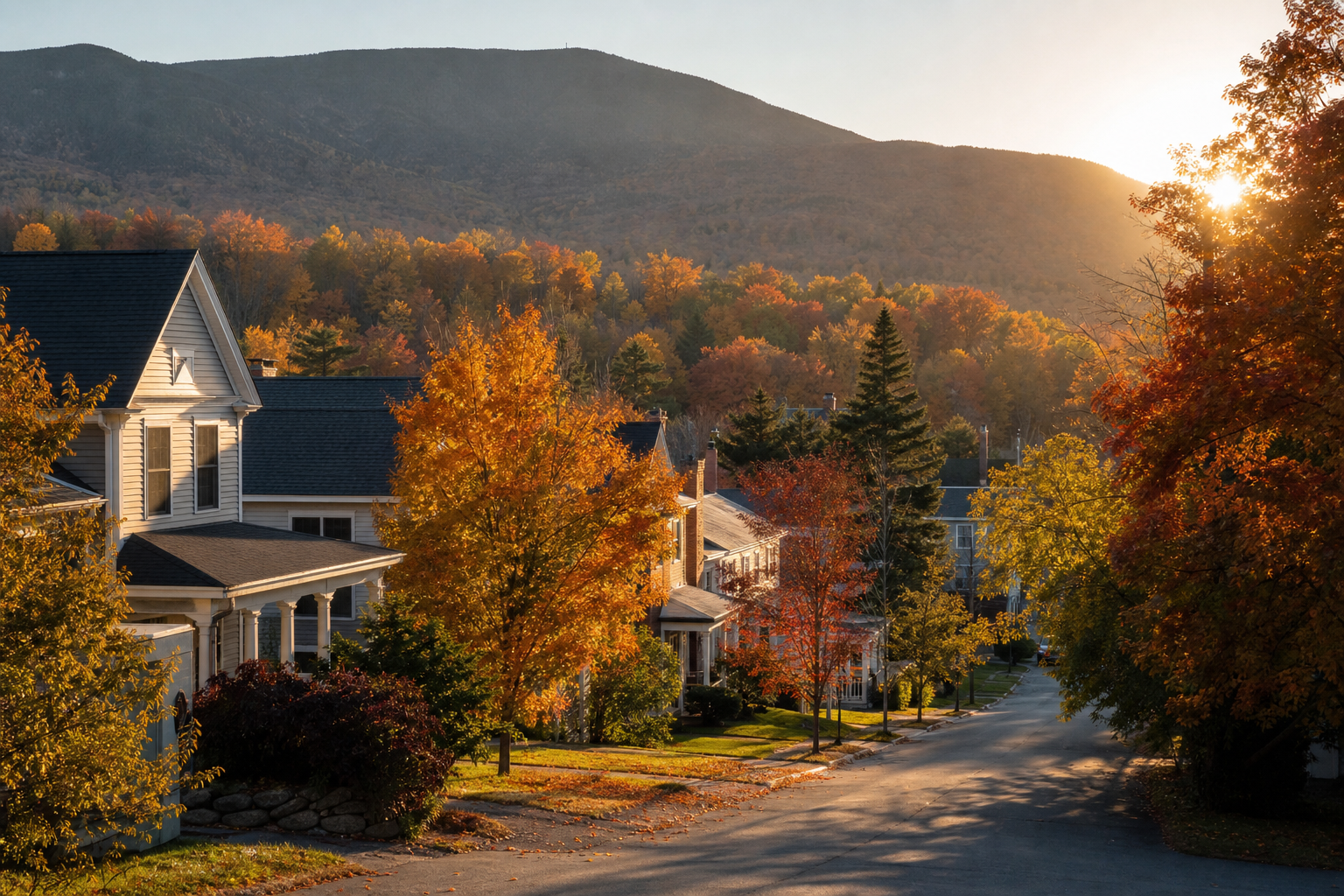
Buyer demand in the Lancaster real estate market is driven by four-season North Country recreation, the practical advantages of a county seat community, and growing interest from remote workers and second-home buyers. Lancaster’s combination of affordability, genuine small-town character, and access to snowmobiling, fishing, hiking, and nearby ski areas makes it appealing across multiple buyer segments.
What is driving buyer demand in the Lancaster real estate market?
Buyer demand in the Lancaster real estate market is shaped by a combination of four-season North Country recreation, genuine small-town character, and growing interest from remote workers and second-home buyers. As the Coos County seat, Lancaster offers practical services and community infrastructure that many surrounding towns lack, and that combination of affordability and livability is not lost on buyers who have been priced out of more prominent resort communities.
Key Takeaways
- Lancaster is the Coos County seat, giving it a practical service base, including schools, medical access, and local commerce, that supports year-round living in a way many smaller North Country towns cannot.
- Buyer interest spans multiple segments: year-round primary-home buyers, recreational and second-home seekers, remote workers, and retirees drawn to a rural North Country lifestyle.
- Inventory in Lancaster and the surrounding area remains thin, which can work in a prepared seller’s favor when a property is well-positioned and priced from actual closed sales.
- Lancaster’s location along Route 2 and Route 3 gives buyers reasonable access to the White Mountains, the Connecticut River valley, and Vermont, a practical edge over more isolated communities.
- Sellers who document specific proximity to recreation, amenities, and four-season access tend to attract more qualified buyers faster in this market.
Who is actually buying in Lancaster right now?
This is the question I always start with when I’m working with a seller in a small market like Lancaster. Before you can position a property well, you need to understand who’s on the other side of the table.
The Lancaster buyer pool isn’t one type of person, it’s several distinct groups, and understanding which ones your property appeals to shapes everything from how you price it to how you describe it online.
Year-round residents looking for primary homes
Lancaster has a genuine, established community. As the county seat, it offers schools, medical services, local businesses, and civic infrastructure that make it a real place to live, not just a seasonal backdrop. Buyers in this segment are often relocating from higher-cost areas in New England or the Northeast and are drawn by the combination of affordability and quality of life. The Lancaster Fair, one of the oldest agricultural fairs in New England, reflects the kind of rooted community identity that resonates with buyers looking for something authentic.
Second-home and recreational buyers
Lancaster’s access to snowmobiling on the NHSA trail network, fishing and paddling on the Israel River and Connecticut River, hiking toward Percy Peaks and the Kilkenny region, and proximity to ski areas including Bretton Woods and Cannon Mountain makes it a logical base for buyers who want a recreational property they can use across all four seasons. This segment is active and, in my experience, motivated, when they find a property that checks the boxes, they move.
Remote and hybrid workers
The shift toward remote and hybrid work hasn’t faded, and buyers in this category are specifically seeking communities where they can live a different kind of life without sacrificing internet connectivity or reasonable proximity to services. Lancaster’s location along Route 2 and Route 3, with Littleton and St. Johnsbury within reasonable reach, gives it a practical edge over more isolated communities. According to NAR research, remote-work flexibility continues to influence where buyers choose to purchase, with lifestyle and setting carrying more weight than they did in earlier decades.
Retirees and those seeking a rural lifestyle
A quieter pace, natural surroundings, and a small-town community draw buyers who are done with suburban density and looking for something more grounded. Lancaster’s population, estimated at approximately 3,300 residents, gives it enough community infrastructure to feel connected while still offering the rural North Country character that draws people to this part of New Hampshire.
What the Lancaster market data actually tells us in 2026
The numbers below come from local MLS data for Lancaster single-family homes, compiled through September 30, 2026. They give a useful snapshot, but Lancaster is a small market. With 23 closed sales through the first three quarters of the year, a single outlier sale can move the averages noticeably. Keep that in mind as you read.
| Data Point | Figure |
|---|---|
| 2026 median sale price | $285,000 |
| Homes sold through Sept. 30 | 23 |
| Median days on market | 36 days |
| Current active listings | 19 |
| Median current asking price | $299,900 |
| Aggregate sale-to-list ratio | 98.1% |
Source: Local MLS data, Lancaster single-family homes, compiled through September 30, 2026.
What these numbers actually mean
The median sale price for Lancaster single-family homes through September 30, 2026 is $285,000. That’s a reasonable anchor for understanding where the market sits right now. The average sale price is higher, at $317,352, but averages in a small market like this are more sensitive to the mix of properties that happened to sell in a given period. A handful of higher-priced sales can pull the average up without telling you much about what a typical Lancaster home is worth.
On the sale-to-list side, the 23 homes that closed in 2026 sold for an aggregate 98.1% of their list prices. That means buyers are negotiating somewhat, but sellers are generally landing reasonably close to asking. It’s not a market where sellers are routinely accepting large discounts, and it’s not one where buyers are routinely paying over ask either.
Days on market is worth looking at carefully here. The median DOM for 2026 closed sales is 36 days. The average is 71 days, which is noticeably higher, and that gap is almost certainly being pulled upward by at least one listing that sat on the market for an unusually long time before selling. For a typical Lancaster sale, the median figure of 36 days gives you a more honest picture.
For context, the full-year 2025 figures show 32 single-family sales with a median sale price of $275,000 and a median DOM of 25 days. The 2026 median of $285,000 is about 3.6% higher, and homes are taking somewhat longer to sell than they did in 2025. It would be a mistake to read too much into either of those observations. The 2026 data covers only January through September, so it’s not a true year-over-year comparison. And the shift from 25 to 36 median days on market is worth noting, but it’s not a dramatic slowdown.
Current inventory shows 19 active listings with a median asking price of $299,900, which is modestly above the $285,000 median for homes that have actually closed. That gap is normal and reflects the difference between what sellers are hoping to achieve and what buyers have been willing to pay. The median asking-side DOM of 42 days (average of 100 days, again distorted by at least one long-market listing) suggests that well-priced properties are moving while overpriced ones are sitting.
None of these town-wide figures tell you what your specific property is worth. Condition, location within Lancaster, acreage, updates, layout, and the handful of truly comparable recent sales in your price range all matter more than a market-wide median. These numbers give you useful context. A property-specific comparative market analysis gives you an actual answer.
For a broader look at how Lancaster fits into regional trends across the North Country, the Northern NH Real Estate Market Update for 2026 covers the wider picture.
What sellers in Lancaster should be doing differently
Thin inventory works in a seller’s favor, but only if the property is positioned well. With limited active listings across the area, buyers don’t have a lot of options. That means a well-prepared, well-marketed home stands out clearly. A poorly prepared or overpriced one just sits.
Lead with the lifestyle, not just the square footage
Buyers looking at Lancaster are not shopping the way someone buys a house in a subdivision. They’re buying a setting, a way of life, and four-season access to things they actually want to do. A listing that reads like a generic property description misses the point entirely.
Document what’s nearby, and be specific. Drive times to ski areas, snowmobile trail access, the Israel River, Percy Peaks trailheads, and town services matter to buyers, but those times vary by property location, so verify them for your specific address rather than using general estimates. That kind of specificity builds credibility and helps buyers picture themselves there.
If your property has land, trails, a garage for gear storage, or outbuildings suited to an outdoor lifestyle, those details deserve real attention in the marketing. I’ve written more about this approach in the context of selling rural properties in Northern NH, the core principle applies directly here.
Use video and aerial photography
A buyer relocating from Massachusetts or Connecticut is not going to drive three or four hours to tour a property they can’t picture from the listing. Professional photos are a baseline, but video and aerial footage give buyers the context they need to make that trip, or to make an offer confidently. The setting around a Lancaster property is often a major part of its value, and flat interior photos don’t capture that.
Price from comparable sales, not comparable listings
In a market with this few transactions, it’s tempting to anchor your price to whatever else is listed nearby. That’s a mistake I see regularly. What matters is what buyers have actually paid for comparable properties, not what someone else is asking. With only a handful of closed sales per month, the relevant comps may come from a wider geographic area or a longer time window, which is exactly why a careful analysis matters more here, not less.
If you’re getting ready to list, preparing your home thoughtfully before it hits the market is one of the highest-return things you can do in a low-inventory environment like this one.
Frequently Asked Questions
What is attracting buyers to Lancaster, NH?
Buyers are drawn to Lancaster by its role as the Coos County seat, which brings practical services and community infrastructure, combined with four-season North Country recreation and genuine small-town character. Snowmobiling, fishing, hiking, and proximity to ski areas make it appealing to primary-home buyers, second-home seekers, and remote workers alike.
How much do homes in Lancaster, NH cost in 2026?
Portal-reported figures for Lancaster should be treated as directional given the small number of transactions per month. A property-specific market analysis based on actual closed sales will give you a more reliable number for your situation than any portal estimate. Reach out and I can walk you through what the current data actually shows.
How quickly are homes selling in Lancaster, NH?
Days on market in Lancaster varies with inventory levels and property type. In a market with only a handful of sales per month, that average can shift meaningfully with a single fast or slow sale. A well-prepared and accurately priced property in Lancaster will generally attract serious buyers faster than one that is overpriced or under-marketed.
Is Lancaster, NH a good place to buy a second home?
For buyers seeking North Country recreation and a genuine small-town base without the price premium of more prominent resort communities, Lancaster offers a reasonable entry point and real four-season utility. Access to snowmobiling, fishing, hiking, and ski areas, combined with the services that come with being a county seat, makes it more practical as a second home than a purely seasonal location would be. Whether it’s the right fit depends on your priorities and budget, that’s worth a direct conversation.
What should sellers highlight to appeal to buyers relocating to Lancaster?
Sellers should lead with specific, verifiable proximity to recreation and amenities, exact drive times to ski areas, trail access points, the Israel River, and town services, not vague claims about being “close to everything.” Practical details like garage space, outbuildings, land access, and utility setup matter to buyers coming from outside the area who are unfamiliar with rural property realities. Strong video marketing that shows the setting, not just the interior, tends to do the most work for properties in this market.
The Lancaster real estate market is small, but it’s not quiet, buyers are actively looking for exactly what this area offers. If you’re thinking about selling, the combination of limited inventory and genuine lifestyle demand puts a well-positioned property in a strong spot. The key is understanding who those buyers are and speaking directly to what they’re actually after.
I work with sellers throughout Northern New Hampshire, including Lancaster and the surrounding Coos County communities. If you’d like an honest read on what your property is worth and how to position it, reach out and let’s talk.
Equal Housing Opportunity. Nick DeMers is licensed with eXp Realty, regulated by the New Hampshire Real Estate Commission. This article is general information only and does not constitute legal, tax, or financial advice. Confirm your specific numbers with your closing agent, tax advisor, or lender.

About Northwoods Property Team
Northwoods Property Team at eXp Realty provides local buyer and seller representation, property-specific pricing guidance, practical transaction advice, and technology-powered real estate marketing throughout Northern New Hampshire.