

What Sells a Camp or Land Parcel in Northern New Hampshire
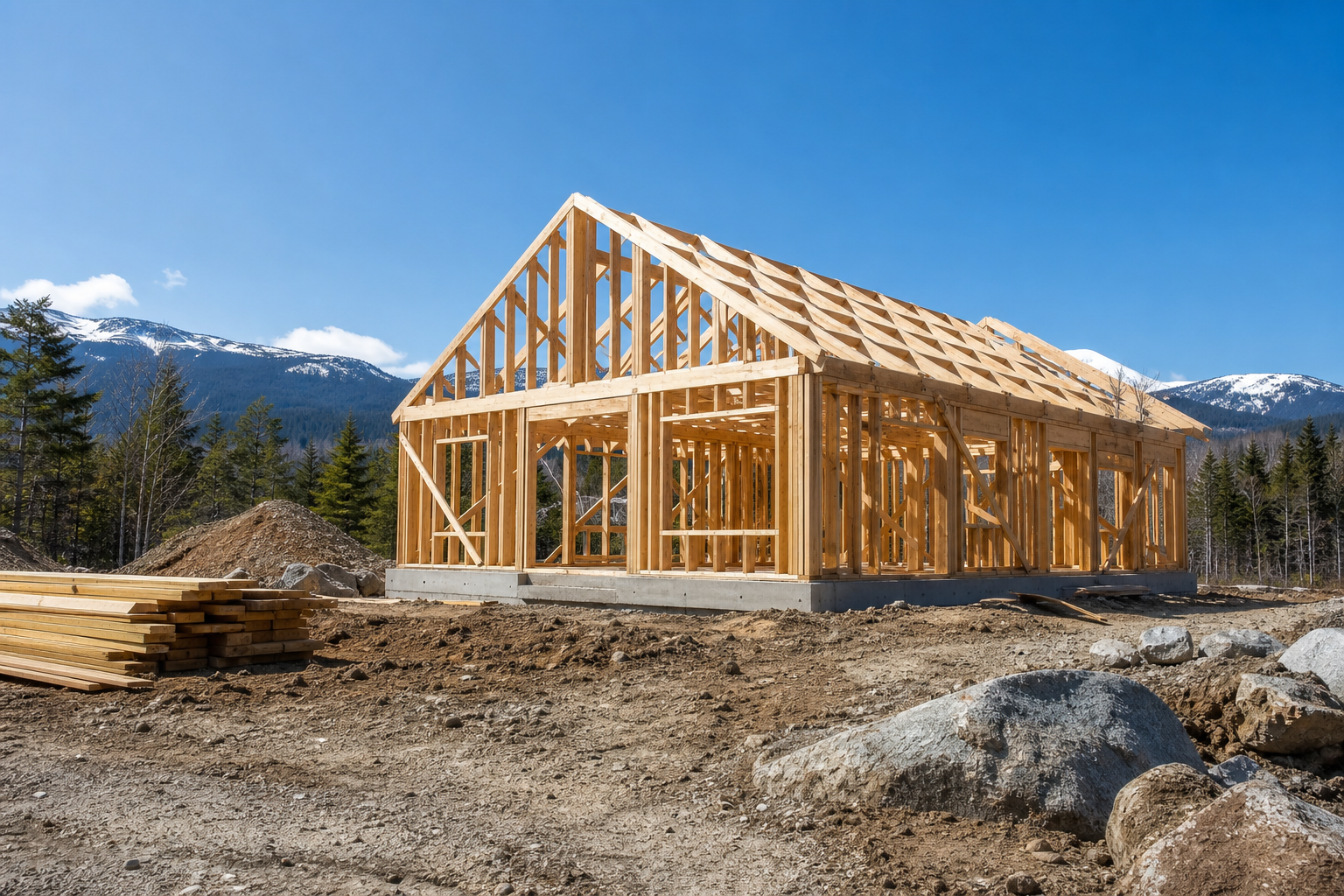
Selling camps in Northern New Hampshire requires accurate documentation of access, utilities, structures, and recreational features, not just scenic photos. Buyers need specific facts about road access, water, septic, and permitted uses before they can make a confident offer on rural land or a camp property.
What does it take to successfully sell a camp or land parcel in Northern New Hampshire?
Selling camps in Northern New Hampshire is a different process than selling a conventional house. Buyers need documented answers about road access, water and septic, permitted uses, and recreational features before they’ll commit. A listing that leads with scenery but skips the specifics will sit, while one that answers the hard questions up front gives buyers the confidence to move.
Key Takeaways
Camps in Northern New Hampshire attract buyers looking for specific recreational access, hunting, fishing, snowmobile trails, ATV use, skiing, and your listing needs to document which of those actually apply to the parcel.
“Buildable,” “water access,” and “trail access” are not interchangeable marketing phrases; each requires supporting documentation before it belongs in a listing.
Road access type (publicly maintained, private road, or recorded right-of-way) is one of the first things a serious buyer will verify, and ambiguity here kills deals.
New Hampshire has 20 state-park campgrounds and extensive public recreation land, according to the New Hampshire Division of Travel and Tourism Development, proximity to these is a legitimate selling point when accurately described.
Photos, video, aerial imagery, and seasonal documentation matter more for camps and land than for any other property type, buyers are often evaluating from a distance and need to understand the setting before scheduling a visit.
Why are camps in Northern New Hampshire harder to sell than houses?
Camps in Northern New Hampshire have a real and enthusiastic buyer pool. The North Country draws people who want access to hiking, fishing, kayaking, skiing, ATV riding, snowmobile corridors, and hunting land, and that demand is genuine. The challenge isn’t finding interested buyers. It’s giving them enough verified information to get from interested to committed.
A buyer considering a camp or land parcel in Coös County is often coming from a distance. They can’t drive by on a lunch break. They’re evaluating your listing on a screen, and if the listing raises more questions than it answers, they move on. That’s the core problem I see with most camp and land listings in this market.
Rural properties, land, and camps can’t be marketed like ordinary in town homes. Buyers need to understand the land, the setting, access, outbuildings, utilities, and the lifestyle the property offers, and the only way to do that is through a listing that documents all of it clearly and honestly.
What buyers are actually trying to figure out
Before a buyer schedules a showing on a camp or land parcel, they’re trying to answer a short list of questions. Can they get there in winter? Is there a usable well and septic, or are they starting from scratch? Can they build, expand, or just use what’s there? Is the recreational access on the property or just nearby?
If your listing doesn’t answer those questions, buyers assume the worst, or they just skip it. Either outcome costs you.
What should a camp or land listing actually include?
This is where most listings fall short. Here’s what I put into every camp and land listing I take on, and why each piece matters.
Access and road information
Road access is the first thing a serious buyer checks. State clearly whether the property is accessed from a publicly maintained road, a private road, or a recorded right-of-way. If it’s a private road, who maintains it, and is there a road agreement? What are winter conditions like, and can the property be reached year-round?
Ambiguity here doesn’t just raise questions, it raises red flags. Lenders also scrutinize access carefully, and a property without documented legal access can be difficult or impossible to finance.
Structures: what’s there and what it can do
For any existing camp, cabin, or outbuilding, document the structure’s dimensions, approximate year built, construction type, heating system, water source, septic status, power, and whether it’s been winterized. Be specific about what the structure is: a seasonal camp, a four-season residence, a hunting cabin, an unfinished shell, or a permitted accessory structure. These are not interchangeable, and buyers know the difference.
If there’s a well, note whether it’s been tested recently. If there’s a septic system, note whether it’s a permitted system with a known design, or an older camp system with unknown status. These details don’t scare off the right buyers, they give buyers the information they need to make an offer.
Acreage, frontage, and parcel documentation
Include exact acreage and frontage figures, the tax map and lot number, and any available survey or boundary documentation. Attach maps. Show the driveway. Show the lot lines if you can. Buyers who are evaluating from out of state need to understand the physical shape of what they’re buying, and a single satellite image doesn’t cut it.
Recreational features, documented, not assumed
This is the part that requires the most care. “Water access,” “trail access,” “hunting land,” “snowmobile access,” and “buildable” are not interchangeable marketing phrases. Each one means something specific, and using them loosely creates liability and erodes buyer trust.
Water access: Is there frontage on the parcel, a recorded easement to a water body, or just proximity to a public lake or river? Say which.
Trail and snowmobile access: Is there a documented corridor crossing the property, a trail at the boundary, or a nearby public trailhead? Note the distance and route.
Hunting: Is the parcel in a game management unit with documented deer, moose, or bird habitat? What’s the acreage and timber cover?
Buildable: Has the relevant town confirmed zoning compliance? Is there a viable septic site? Are there wetland constraints? “Buildable” should not appear in a listing without answers to these questions.
The New Hampshire State Parks map and guide is a useful reference for identifying nearby public recreation resources, but proximity to a state park is not the same as on-property access, and the listing should be clear about which it is.
Remoteness: concrete, not romantic
Buyers who want a remote camp know what they’re looking for. What they need from the listing is honest logistics: drive time to the nearest paved road, fuel station, grocery store, and hospital or emergency services. Who maintains the road in winter, and what does that cost? Is there cell service or broadband, and if so, from which providers?
Describing a property as “private” or “secluded” when it sits on a shared road with significant seasonal traffic or borders a public recreation area is the kind of thing buyers discover on their first visit, and it damages your credibility as a seller. Describe what’s actually there.
Photography, video, and seasonal documentation
For a camp or land parcel, photos and video do more work than in any other property type. A buyer evaluating from Massachusetts or Connecticut is making a significant decision based almost entirely on what they see on screen. Professional photos are a baseline, but they’re not enough on their own.
I use video, aerial photography, and floor plans for every camp and land listing I take. Show the driveway in mud season if that’s relevant. Show the lake in fall. Show what the snowmobile trail looks like from the property boundary. Show the interior of the camp honestly, including its limitations. Buyers who understand exactly what they’re getting are buyers who follow through.
Listing Element Why It Matters for Camps and Land Road access type and maintenance Affects financing eligibility, year-round usability, and buyer confidence Water and septic documentation Determines livability, permitting status, and lender requirements Exact acreage and parcel ID Buyers and lenders need verified figures, not estimates Recreational access (on-parcel vs. nearby) Prevents misrepresentation and sets accurate buyer expectations Structure type and condition Seasonal vs. four-season status affects use, insurance, and financing Cell service and internet availability Increasingly important to remote workers and year-round buyers Aerial photography and video Lets distant buyers understand the setting before committing to a trip Seasonal exterior photos Shows buyers the property in the context they’ll actually use it
How does the Northern New Hampshire market affect your strategy?
“Northern New Hampshire” covers a lot of ground. Coös County alone spans from the Connecticut Lakes near the Canadian border down through Gorham and Berlin. A camp on First Connecticut Lake and a camp on the Androscoggin River are both camps in Northern New Hampshire, but they attract different buyers, sit in different town zoning frameworks, and have different access and utility situations. A countywide statistic doesn’t tell you much about either one specifically.
The New Hampshire REALTORS market data portal publishes monthly and county-level sales figures, with August 2026 as the most recent available period. That data gives useful context for overall market conditions, but camp and land sales in Coös County are a thin enough segment that individual transactions move the numbers significantly. Pricing strategy here requires looking at actual comparable sales, what similar properties sold for, how long they sat, and what conditions they sold under.
Days on market for land and camps in this region tends to run longer than for residential homes. That’s not a red flag, it reflects a smaller, more specific buyer pool. The right pricing and the right presentation find the right buyer. Overpricing a camp because you’re comparing it to a listed property down the road (rather than what comparable properties actually closed at) is the most common mistake I see, and it usually costs sellers more time and money than it gains them.
If you’re thinking about timing, fall is historically an active period for recreational land buyers in this region, foliage season brings buyers through, and many are actively looking. That said, the right listing strategy matters more than the calendar. A well-documented, honestly priced camp will find a buyer in any season. For a closer look at how rural property marketing works in this region, my post on selling a rural home in Northern NH covers the broader marketing approach in more detail.
One more note: if the camp was built before 1978, federal law requires a Lead-Based Paint Disclosure as part of the sale. That applies to camps and cabins just as it does to conventional homes, and it’s something I handle as a standard part of every listing in that age range.
Wire fraud is also worth flagging here. Camp and land transactions sometimes involve buyers wiring funds to unfamiliar closing agents, and that’s exactly the scenario fraudsters target. Always verify wiring instructions verbally with a known contact before sending any funds, never rely on emailed instructions alone, even if the email looks legitimate.
Your specific situation, the parcel, the structures, the access, the comparable sales, is what determines your pricing and strategy. That’s not something a blog post can answer for you, but it’s exactly what I walk through with every seller before we list.
Frequently Asked Questions
How do I market recreational land in Coös County, New Hampshire?
Market it with documented specifics, not general claims. Identify the exact acreage, road access type, recreational features on the parcel (not just nearby), water and septic status, and any zoning or permitting information relevant to a buyer’s intended use. Aerial photography, video, and maps are essential for reaching buyers who are evaluating from a distance. The Recreation.gov New Hampshire page can help you identify nearby public recreation resources worth referencing, but always distinguish between public access and on-property features.
What should I include in a listing for a camp or off-grid cabin in Northern New Hampshire?
At minimum: exact acreage and parcel identification, road access type and maintenance responsibility, water source and septic status, structure dimensions and approximate age, heating and power setup, winterization status, and cell or internet availability from verified sources. Recreational features should be described accurately, on-parcel access, recorded easements, and proximity to public resources are all different things and should be labeled as such.
How can I prove that a New Hampshire land parcel has legal road access?
Legal road access is established through a publicly maintained road frontage, a recorded easement, or a deeded right-of-way, all of which should appear in the title chain and on the recorded deed or a separate easement instrument. A title search will identify what’s documented. If access is via a private road or shared driveway, a road-maintenance agreement (or the absence of one) is something buyers and their lenders will scrutinize closely, so it’s worth having that documentation ready before listing.
Should I advertise hunting, fishing, ATV, snowmobile, or timber potential in a land listing?
Yes, but only what’s actually supported by the parcel. Hunting and fishing claims should reflect the property’s actual habitat, acreage, and any applicable game management unit designations. Snowmobile and ATV access should identify whether a corridor crosses the property, runs along its boundary, or is simply accessible nearby. Timber potential should note approximate acreage of standing timber and any existing harvest history if known. Accurate recreational claims attract the right buyers; vague or overstated ones attract buyers who will be disappointed and walk away.
How long does land typically take to sell in Coös County?
Land and camp parcels in Coös County generally take longer to sell than residential homes, reflecting a smaller and more specific buyer pool. Time on market varies significantly based on price, access, recreational features, and how well the listing communicates the property’s actual value. A well-priced, thoroughly documented camp listing will move faster than an overpriced one with incomplete information, and the gap between those two outcomes is often substantial. For a realistic timeline and pricing estimate based on current comparable sales, a conversation with a local agent who tracks this market closely is the most reliable starting point.
Can I build a camp or cabin on vacant land in Northern New Hampshire?
It depends on the specific town’s zoning ordinance, the parcel’s lot size and setbacks, whether there’s a viable septic site, road access, and any wetland constraints. Building requirements vary across Coös County towns, and what’s permitted in one town may not be in another. Before listing a parcel as “buildable,” verify the relevant town’s requirements and confirm that the site can actually support a structure and septic system. Listing a parcel as buildable without that confirmation creates liability and sets buyers up for disappointment.
If you’re selling a camp or land parcel and want to know what it would take to position it well in this market, I’m glad to walk through the specifics with you. Reach out here and we’ll start with an honest look at what you have and what buyers in this market are actually looking for.
About Nick DeMers
Nick DeMers helps homeowners throughout Northern New Hampshire prepare, position, and sell their properties with confidence. Based in Groveton and serving communities across the greater Northwoods region, including Berlin, Gorham, Lancaster, Littleton, Colebrook, Pittsburg, and dozens of towns in between, he is a seller-focused Realtor and the leader of the Northwoods Property Team at eXp Realty. With nearly nine years in real estate and more than 200 closed sales, Nick brings deep experience in pricing, property preparation, marketing, negotiation, and navigating the challenges that arise between listing and closing. His approach combines honest local market knowledge, video-first marketing, and clear communication throughout the process. He also works with buyers who value straightforward guidance and a strong understanding of the Northern New Hampshire market.
eXp Realty · 603-631-7978
Equal Housing Opportunity. Nick DeMers is licensed through eXp Realty, regulated by the New Hampshire Real Estate Commission. This article is general information only and is not legal, tax, or financial advice. Confirm your specific numbers and transaction details with your closing agent, tax advisor, or lender.

About Northwoods Property Team
Northwoods Property Team at eXp Realty provides local buyer and seller representation, property-specific pricing guidance, practical transaction advice, and technology-powered real estate marketing throughout Northern New Hampshire.